TL;DR
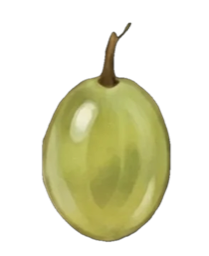
- Your baby is the size of a cherry, about 2.3cm
- All essential organs have begun to form — a major developmental milestone
- You might notice your skin and hair changing
- Gentle walking and stretching are great ways to stay active
Your Baby This Week
At nine weeks, your baby is about 2.3cm — the size of a cherry — and has reached an extraordinary milestone: all essential organs have begun to form. The heart, brain, kidneys, liver, and lungs are all in place and developing. From this point forward, these organs will grow, mature, and refine, but the basic structures are established.
This week also marks an important transition. Your baby is moving from the embryonic period to the fetal period. While the term "embryo" has been used up until now, starting around week 10, your baby will officially be called a fetus. This transition reflects the shift from organ formation to organ growth and maturation.
Your baby's muscles are developing, and those tiny limbs are getting longer. The fingers and toes are now distinct — no more webbing — and they can curl and flex. Wrists and ankles are forming, giving the limbs more definition. Your baby's head is still large relative to the body (about half the total length), but the body is starting to catch up.
The external ears are more defined, and the inner ear structures that control hearing and balance are developing. Your baby's eyelids have fully formed and are fused shut, protecting the developing eyes. Tiny tooth buds are present beneath the gums. The reproductive organs are beginning to develop, though it's still too early to determine sex on an ultrasound.
Your Body This Week
The hormonal rollercoaster continues, but you might start to notice some new changes this week. Your skin may be behaving differently — some people develop a pregnancy glow thanks to increased blood flow and oil production, while others deal with acne or breakouts.
Your hair might feel thicker. During pregnancy, higher estrogen levels slow down the normal rate of hair shedding, so you may notice more volume than usual. (Enjoy it while it lasts — the postpartum hair shed is a topic for another day.)
Your waistline might be thickening, even if you don't have a visible bump yet. Your uterus is continuing to grow, and bloating from progesterone's effect on digestion adds to the fullness. Some people start transitioning to stretchy waistbands or unbuttoning their jeans around this time.
Morning sickness should be close to its peak, which means relief is on the horizon — even if it doesn't feel that way right now. Fatigue is still very real. Headaches may occur more frequently due to hormonal changes and increased blood volume.
Emotionally, you might be navigating the strange limbo of early pregnancy: you feel profoundly different on the inside, but the outside world doesn't know yet. Carrying this secret — whether by choice or because it's too early to share — can feel isolating. If you have someone you trust, leaning on them during this phase can make a real difference.
Track Every Milestone
Get personalized weekly updates, appointment reminders, and weekly insights delivered to your fingertips.
Join 2,000+ expecting parents on the waitlist
Common Questions at Week 9
When will I start showing?
Most first-time parents start showing between weeks 12 and 16, though it varies widely. If you've been pregnant before, you might show earlier because your abdominal muscles have already stretched. Body type, height, and the position of your uterus all play a role too. There's no "should" here — every body is different.
Is it safe to exercise during the first trimester?
In most healthy pregnancies, yes. Regular physical activity during pregnancy has benefits for both you and your baby, including better mood, improved sleep, and reduced back pain. Walking, swimming, prenatal yoga, and light strength training are all generally safe. Avoid contact sports, activities with a high risk of falling, and exercises that involve lying flat on your back for extended periods after the first trimester. Always check with your provider about your specific exercise routine.
Why do I keep getting headaches?
Headaches are common during the first trimester and can be triggered by hormonal changes, increased blood volume, dehydration, fatigue, and stress. Staying hydrated, getting enough rest, eating regularly, and managing stress can all help. Acetaminophen (Tylenol) is generally considered safe during pregnancy, but avoid ibuprofen and aspirin unless your provider specifically recommends them.
My gums bleed when I brush my teeth. Is that normal?
Yes, pregnancy gingivitis is common and affects up to 75% of pregnant people. Increased blood flow and hormonal changes make your gums more sensitive and prone to swelling and bleeding. Continue brushing and flossing gently, and consider scheduling a dental checkup. Good oral health during pregnancy is important — some research suggests a link between gum disease and preterm birth.
This Week's Tip
Gentle walking and stretching are great ways to stay active during the first trimester. You don't need to run a marathon or power through an intense workout — just moving your body for 20-30 minutes a day can make a meaningful difference in how you feel. Walking improves circulation, helps with constipation and bloating, and can boost your mood when first-trimester fatigue and nausea have you feeling low. Gentle stretching can ease the aches and pains that come with your body's rapid changes. If you were active before pregnancy, you can likely continue most of your routine with modifications. If you're starting fresh, walking is the perfect entry point — no equipment needed, and you can go at your own pace.
Sources
- American College of Obstetricians and Gynecologists (ACOG). How Your Fetus Grows During Pregnancy.
- Mayo Clinic. Fetal Development: The 1st Trimester.